A failed vapor barrier, a poorly discharging sump line, or a vent placement issue are the usual culprits behind Randolph, NH crawl space water problems.
Wood rot and joist condition get checked on every Crawl Space Water Removal job in Randolph, NH, since structural wood is often the real concern.

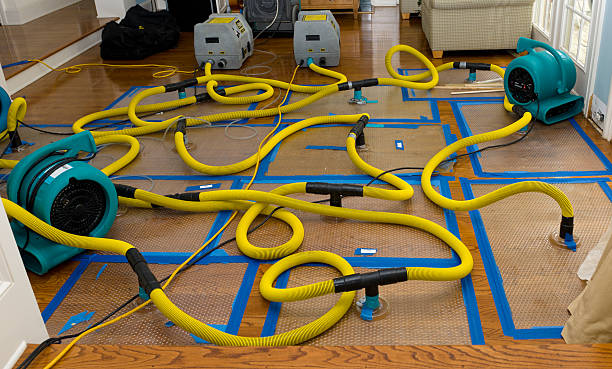
Our Randolph, NH technicians use low-profile pumps and extraction tools designed to work in crawl space clearances a standard unit can't reach.
We install or repair vapor barriers to address the moisture source, not just the symptom.
Sump discharge and vent diagnostics are part of every Randolph, NH crawl space assessment.
Every Crawl Space Water Removal job in Randolph, NH includes a check of floor joists and structural wood for early rot signs.
Below is what a Crawl Space Water Removal job actually covers in Randolph, NH, from extraction to structural inspection.

Low-profile pumps and extraction tools remove standing water from tight crawl space clearances.
We install vapor barriers rated for crawl space conditions, not general-purpose plastic sheeting.
Sump discharge is checked to confirm water is actually being routed away from the foundation.
We correct airflow issues that keep a crawl space damp even after extraction.
Early rot detection can prevent a costly structural repair down the line.
Full encapsulation is available for Randolph, NH crawl spaces with chronic or recurring moisture problems.
Any detail about how the issue was discovered helps us prepare the right equipment.
A technician arrives with low-profile extraction equipment built for crawl space access.
We inspect the vapor barrier, sump, vents, and joists before providing a written estimate.
We verify moisture levels and confirm the vapor barrier or sump fix is addressing the original cause.

"We had a musty smell upstairs for months and it turned out to be a failed vapor barrier in the crawl space nobody had checked." — Patricia G.
"They found our sump line wasn't discharging far enough from the foundation, which explained why the water kept coming back." — Omar E.
"Glad they checked the joists too — caught some early rot before it became a much bigger structural problem." — Lindsey B.
A musty smell upstairs, higher indoor humidity, or visible moisture during a home inspection are common signs.
A failed vapor barrier, poor sump discharge, or vent placement issues are the most common causes we find.
Addressing the actual cause helps prevent the same problem from recurring.
We can assess whether your specific situation would benefit from encapsulation.
Structural wood inspection is included since prolonged moisture is a common cause of joist rot.
Randolph sits within our core crawl space response zone.

Speak directly with our crawl space response team.
Call +1-844-833-1325